The Future of Sustainment

Chapter One: Why the Future of Defense Modernization Starts with the Systems You Already Have

Let's be honest, "modernization" is one of those words that gets thrown around so much in defense circles that it's almost lost its meaning. Say it at a conference and everyone nods. Put it in a budget request and money tends to follow. But ask ten people what it means, and you'll get eleven different answers.
For most of the defense industry's recent history, modernization meant one thing: new stuff. Next-gen aircraft. Autonomous systems. AI. New shiny software. And look, innovation matters. Digital engineering, cloud computing, model-based systems engineering (MBSE) and advanced analytics are genuinely reshaping how defense organizations design, build, and sustain the systems keeping our nation secure.
But what if the biggest obstacle to modernization isn't how old our systems are but our ability to access the knowledge those systems already contain?
Think about the platforms currently in service across every branch of the military. Aircraft that have been flying longer than some of their maintainers have been alive. Naval vessels that have been continuously upgraded for decades. Space systems evolving alongside mission requirements that didn't exist when they launched. Ground systems, manufacturing facilities, and critical infrastructure all of it constantly adapted, patched, improved, and pushed further than anyone originally imagined.
These systems didn't stay relevant because someone replaced them every five years. They stayed relevant because generations of engineers, maintainers, logisticians, and program managers never stopped improving them. Every engineering review, every maintenance action, every configuration change, every hard-won operational lesson and all of it stacked up into something enormously valuable. Not just a platform. A platform plus everything humanity has learned about keeping it running.
Here's the wild part. The older a system gets, the more we actually understand it. Years of operational experience reveal failure patterns nobody could have predicted at initial design. Engineers figure out which components need extra love. Maintainers develop techniques that save hours. Program offices document decisions that explain why systems evolved the weird way they did. Over time, all of that becomes institutional knowledge and that is a huge strategic asset. The problem is that all of this knowledge didn't accumulate neatly in one place. It's scattered across hundreds of repositories, specialized tools, maintenance systems, engineering applications, and technical publications. Most of which were built independently, at different times, to solve different problems. They all do their jobs fine; they just don't talk to each other very well. The result? The answer to today's problem almost certainly exists somewhere in your enterprise but finding it is the hard part.
Here's a scenario that might feel uncomfortably familiar to a lot of people:
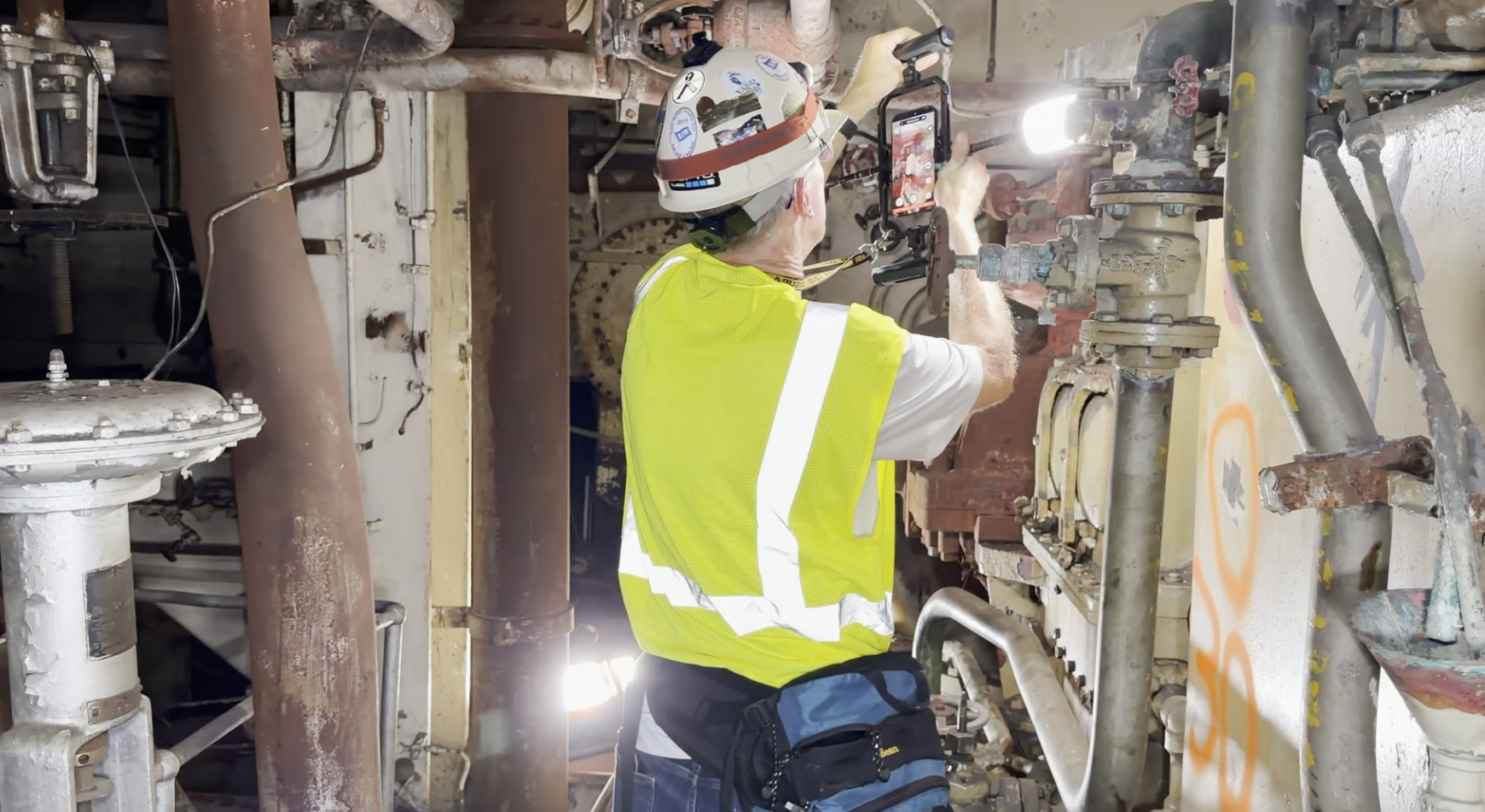
A maintenance team is prepping an aircraft for a critical mission. They find an issue during inspection. Somewhere in the enterprise, an almost identical issue was documented years ago where the root cause was identified, corrective action approved, technical guidance updated, configuration change signed off. Every piece of information needed to solve the problem already exists. But first, someone has to figure out where it lives. Engineering drawing? One repository. Configuration history? PLM system. Maintenance records? Different application. Technical publications? Somewhere else. Supporting documentation? Probably in a shared drive, a buried report, or an email chain from 2019.
Nobody designed a bad system in this situation and every tool does what it was built to do. But when your highly skilled professionals are spending more time searching for information than using it, you have a modernization problem, even if nobody's calling it that. This is one of the least-talked-about barriers in the defense enterprise, and it has enormous implications for the technologies everyone is talking about. AI, digital twins, predictive analytics and autonomous systems aren't going anywhere, and they shouldn't. But here's the thing they all have in common: they only work if the underlying information is trusted, accessible, and connected.
You cannot train a meaningful AI model on fragmented data. A digital twin cannot accurately represent an aircraft's operational reality if the engineering data, maintenance history, and configuration records are all living in separate silos. Advanced analytics can't surface useful insights if your team spends half the day just locating the data. Before your organization can be AI-enabled, it has to be information-enabled. That's a sentence worth sitting with…
Defense modernization strategies have historically focused on replacement and old hardware gives way to new platforms. Legacy software gets swapped out for modern enterprise apps and paper becomes digital. And those investments were absolutely worth making because they delivered real value. They also created increasingly complex environments where critical information got more distributed, not less.
The leading organizations are starting to ask a different question. Not "What should we replace next?" but "How do we make everything we already know easier to use?" That's a subtle shift, but it changes everything.
Suddenly, legacy systems aren't the enemy, they're archives of decades of engineering and operational expertise. Existing investments aren't liabilities, they're foundations worth connecting. And the goal isn't to make people into power users of six different enterprise applications. It's to give them a single, unified view of trusted information so they can make better decisions regardless of where the data originated. This matters even more when you factor in workforce demographics. Experienced engineers and maintainers are retiring across the defense community, and when they leave, they take context, intuition, pattern recognition, and a deep understanding of why things are the way they are. Capturing and preserving that institutional knowledge isn't just a workforce challenge anymore. It's a sustainment challenge.
The organizations that thrive over the next decade will be the ones who treat knowledge as a strategic asset. Something worth protecting, connecting, and continuously making more accessible. Not just for today's experts, but for the next generation of engineers, maintainers, logisticians, and leaders who will inherit these missions. Modernization, then, isn't necessarily all about the technology being deployed. It's about the quality of decisions people can make because the right information was accessible to them at the right moment.
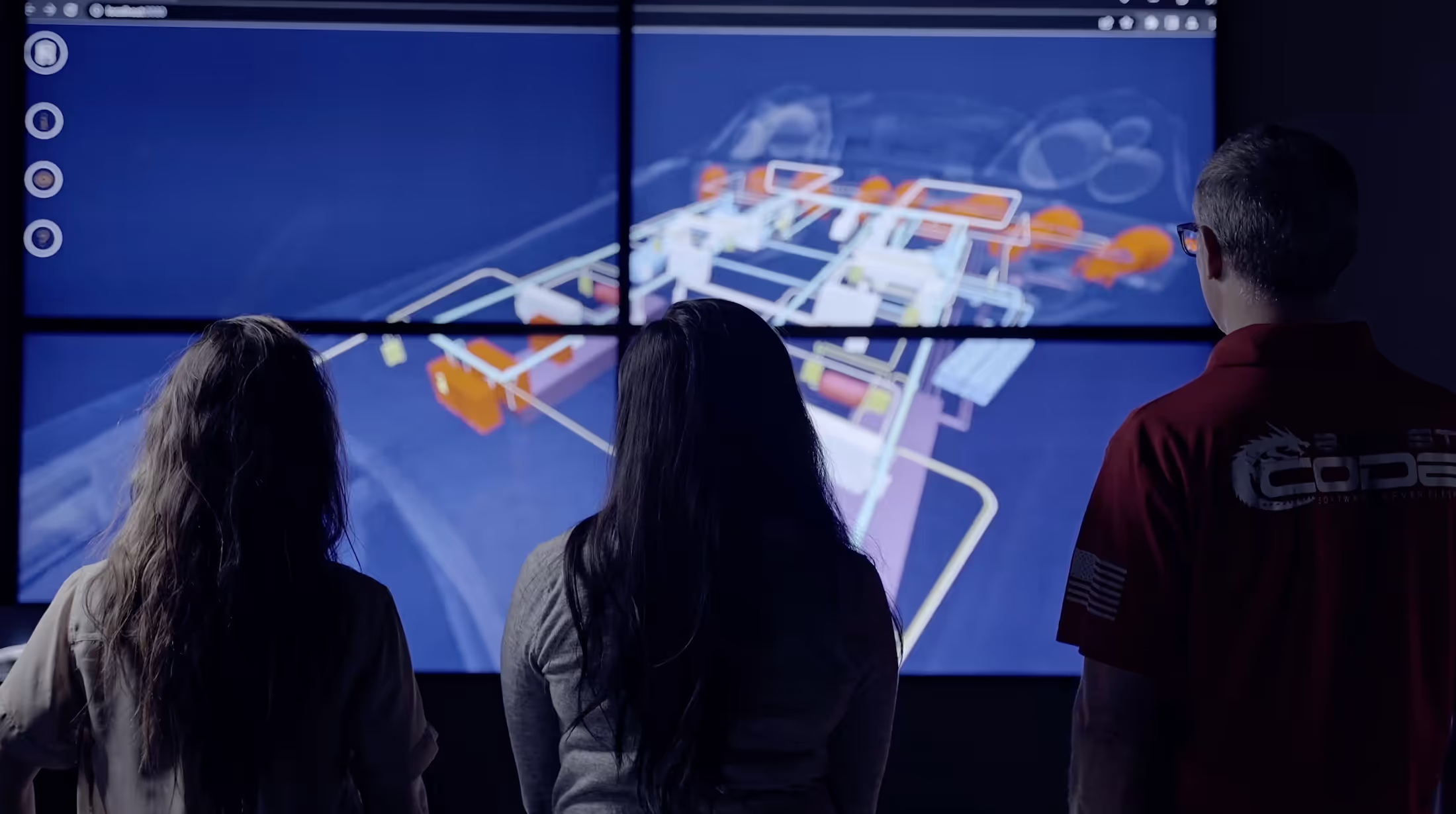
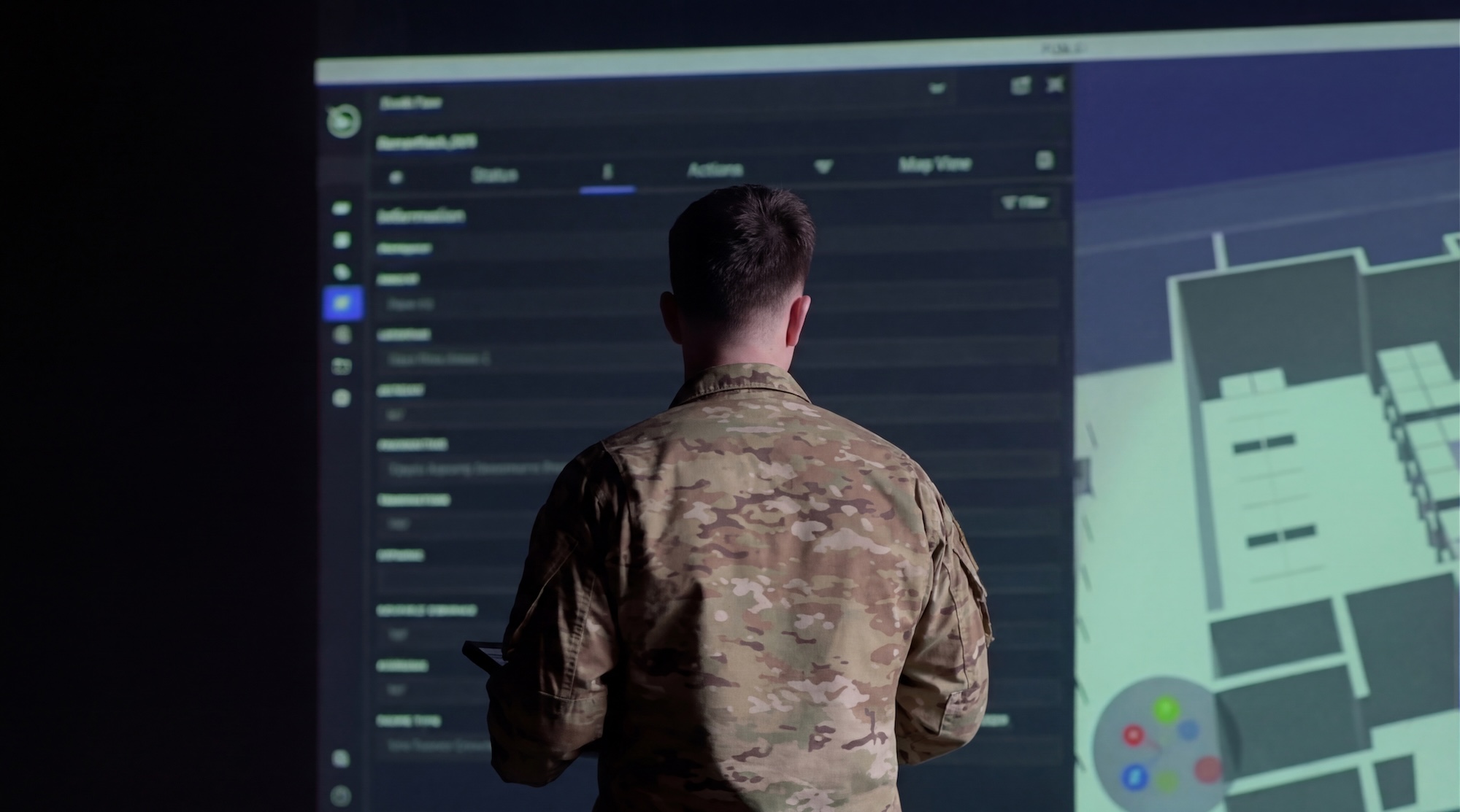
That's the idea Beast Code is built around. Rather than encouraging organizations to rip out the enterprise systems they've spent years implementing, Beast Core is designed to connect them. Engineering models, technical publications, maintenance records, logistics information, operational data, and analytics. All of it stays in its authoritative system and becomes dramatically easier to search, visualize, and understand through a unified experience. The significance of that approach goes well beyond software features. It reflects a genuinely different way of thinking about sustainment.
The future won't be won by collecting more data or deploying more applications. It'll be won by enabling people to turn decades of accumulated knowledge into confident, informed decisions that improve mission readiness. That's always been what modernization was actually about not replacing the past but building on it. The systems that have served for decades are still here because they earned it. Their value isn't just in the hardware. It's in the immense body of knowledge created by everyone who has ever designed, operated, maintained, or improved them.
No system is simply "legacy." Every platform represents years sometimes generations of engineering excellence and hard-won operational experience. The question was never whether those systems still matter and modernization was never about leaving the past behind. It's about making sure what we've already learned keeps shaping what we decide to do next.
Continue the Conversation
This article was inspired but a recent Beast Code LinkedIn Live where we explored one of the biggest misconceptions in digital transformation: Can legacy platforms still benefit from modern digital technologies? If you found this article valuable, the full discussion goes even deeper! Check it out here!
Recent Articles