Your Asset Is Not Too Old for Digital Transformation

Why the Age of Your Platform Should Never Define Your Digital Future
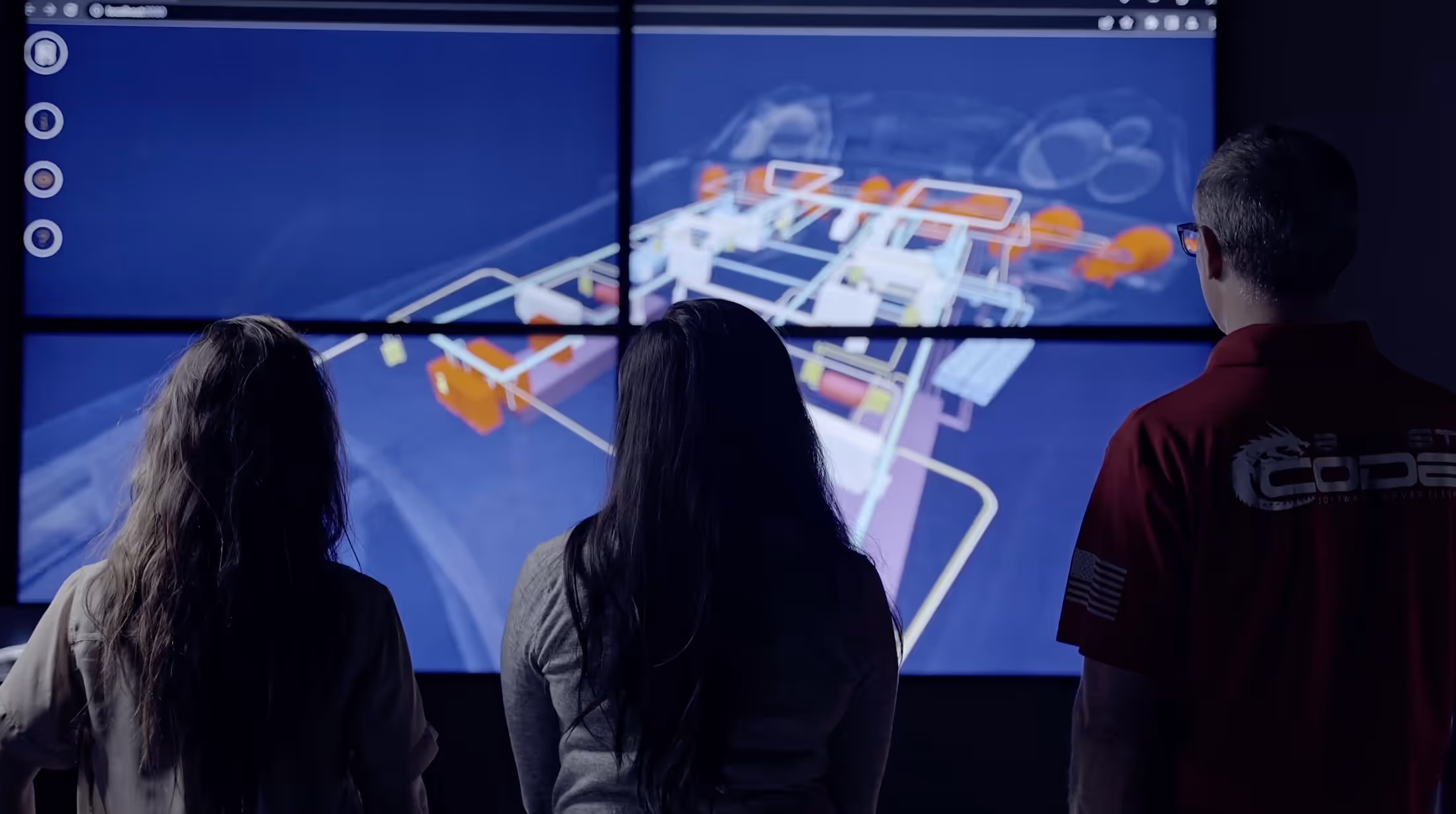
Here's one of the most common misconceptions about digital transformation and it has nothing to do with technology.
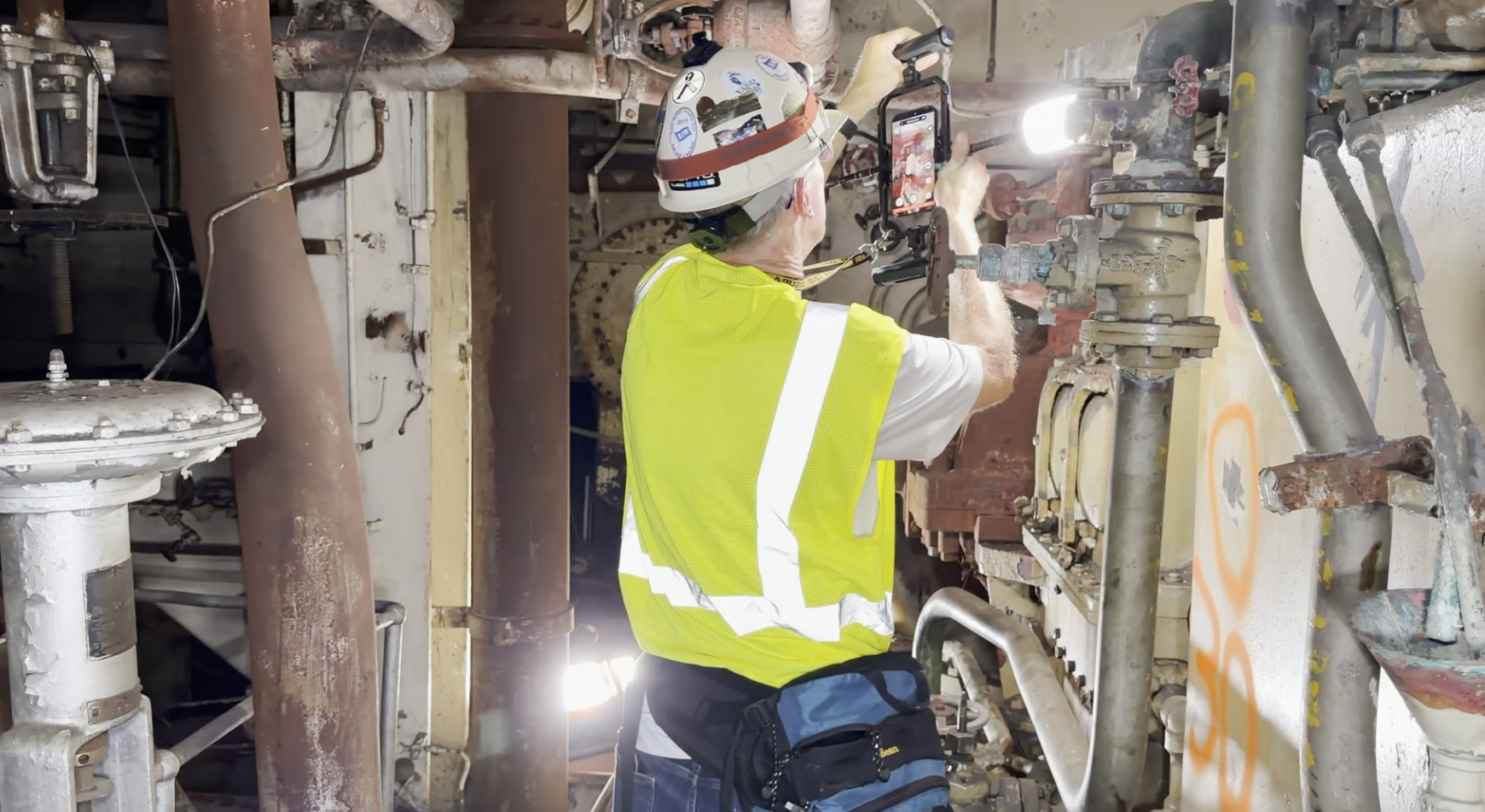
All over the defense industry, organizations are shutting down conversations about digital engineering before they even get started. The reasoning is understandable, honestly. A lot of today's most critical assets were designed long before anyone had heard of Digital Twins, or Model-Based Systems Engineering (MBSE). They don't have complete 3D models and in many cases, they've been modified so many times over so many decades that the original design documentation might as well be archaeology.
So the assumption becomes: if we didn't design it digitally, we can't really benefit from digital technology. That assumption is wrong and the good news is you don't have to start over.
The biggest thing holding organizations back isn't their platforms, it's the belief that they need a perfect digital foundation before they can do anything useful. Teams picture years of effort rebuilding engineering models from scratch, recreating documentation, replacing entire systems, all before they ever see a single dollar of value.
That's not how this works anymore.
Beast Core changed what's possible. Instead of spending years recreating an asset from scratch, organizations can establish an accurate digital baseline in days or weeks. Days or weeks. That baseline isn't the finish line, it's the starting gun for everything that comes after.
The goal was never to just have a shiny 3D model. The goal is to have a digital foundation that connects everything else.
The Model Is Cool. The Information Behind It Is What Actually Matters.
Here's something worth saying out loud: a 3D model by itself is useful, but it's not really the point. The point is what that model can connect to.
Engineering drawings.
Technical publications.
Maintenance history.
Inspection records.
Configuration data.
Operational documentation.
Every organization is already sitting on an enormous amount of valuable information. The problem has never been a shortage of data. The problem is that all of it is scattered across different systems, different repositories, different applications and when someone needs to understand a single issue, they end up on a scavenger hunt instead of solving the actual problem.
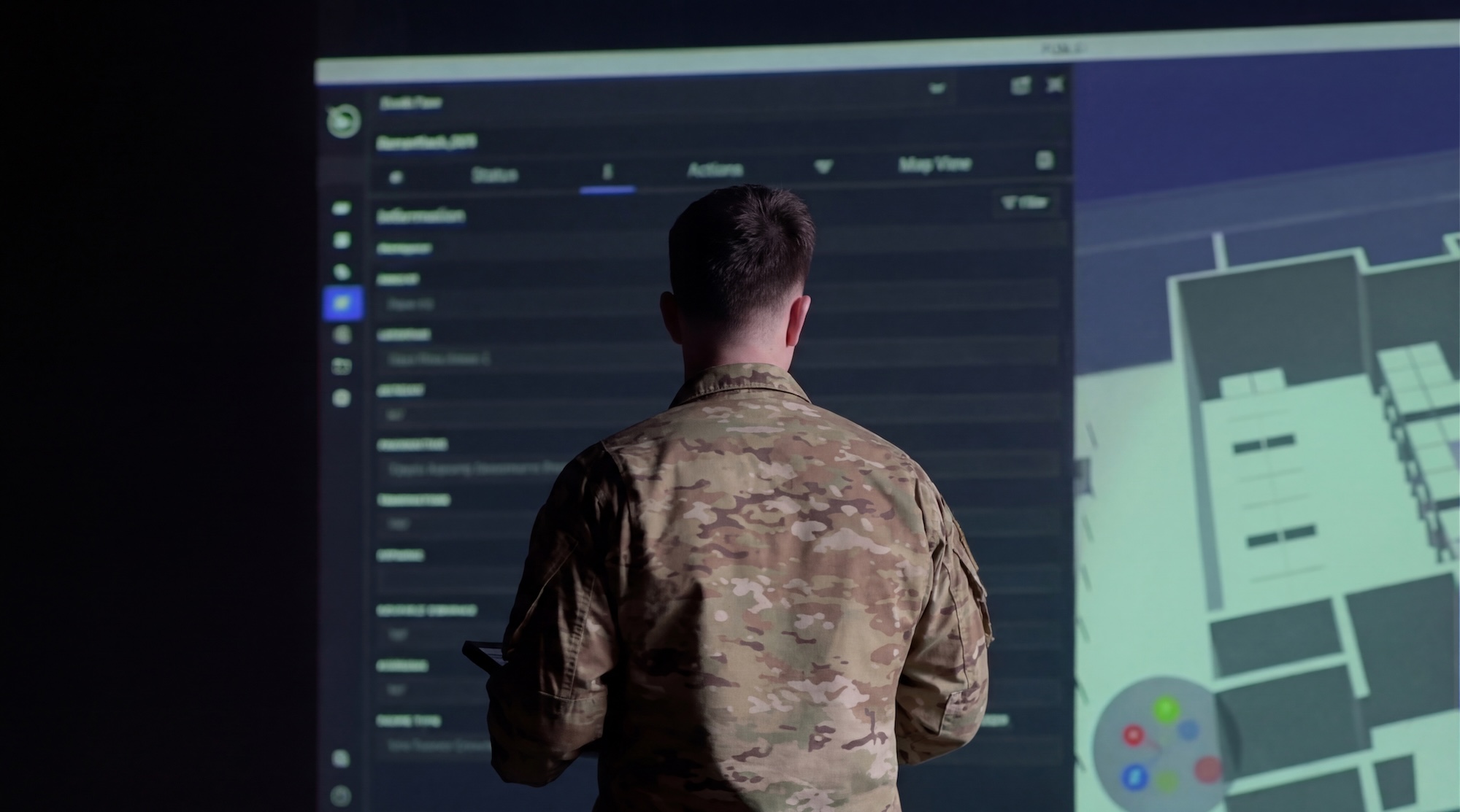
Establish a digital baseline, connect the existing repositories, and suddenly all the isolated information starts working together. Engineering, maintenance, and operational knowledge connected, searchable, and useful instead of technically exists somewhere on a shared drive.
That's when digital transformation starts creating real operational value. Every Platform Is Its Own Problem. That's Fine. Modernization is never one-size-fits-all, and it shouldn't pretend to be.
Digitizing an aircraft carrier is a fundamentally different challenge than digitizing a fleet of tactical vehicles. One is an extraordinarily complex floating city with systems layered on top of systems. The other might involve tens of thousands of similar assets spread across dozens of locations. Different scales, different challenges, different strategies entirely. But the opportunity? Exactly the same.
Whether you're supporting one incredibly complex platform or a massive fleet of vehicles, every organization benefits from making information easier to find, reducing the time engineers and maintainers spend hunting for documentation, and giving people better context for the decisions they're making every single day. Digital transformation isn't defined by the size of your platform. It's defined by the quality of the strategy you use to support it.
The "This Will Take Forever and Cost a Fortune" Problem Is Mostly Solved
Digital modernization projects earned that reputation. For a long time, they were expensive, time-consuming, and disruptive, because organizations had basically no options beyond rebuilding everything manually from scratch. Those concerns made complete sense. But the technology has caught up. 3D modeling techniques, and smarter integration strategies have dramatically reduced the time and cost required to establish a meaningful digital foundation. More importantly, organizations don't have to treat modernization as an all-or-nothing bet anymore. Start with the assets that provide the greatest operational value and connect the information sources you already have. Then expand from there as your mission evolves. Digital transformation becomes iterative instead of apocalyptic.
That makes it achievable for programs of every size, not just the ones with unlimited budgets and five-year runways.
The Best Time to Start Was Yesterday. The Second Best Time Is Now.
Here's the bottom line: The age of your asset has absolutely nothing to do with whether you can benefit from digital technology.
Doesn't matter if a platform first entered service in 1985 or rolled off the production line this year. The path forward looks the same. Establish a digital foundation, connect the information you already have, build on existing investments, and expand capabilities as your mission changes.
Digital transformation isn't reserved for the newest programs or the most advanced platforms. It's available to any organization willing to rethink how it manages and connects its knowledge. The future of sustainment won't be determined by when a platform was built. It'll be determined by how effectively organizations put everything they've learned about that platform to work.
Because every asset has a story of years, sometimes decades, of engineering decisions, operational lessons, and hard-won expertise. Modern digital technology just makes sure that story keeps creating value for the people responsible for writing its next chapter.