SS United States Field Capture

Mission Update


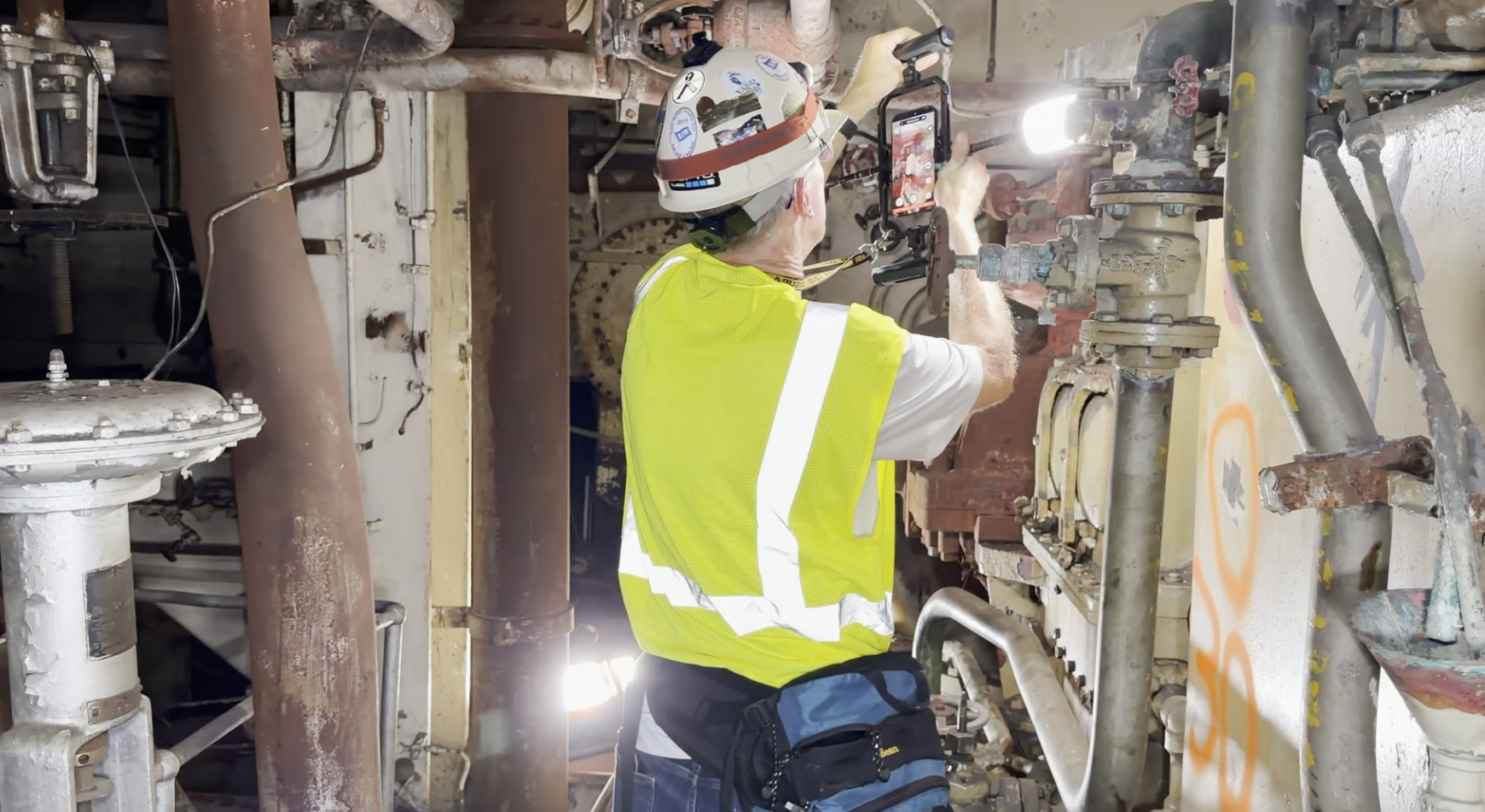
Over the past few weeks, we've shared pieces of our work aboard the SS United States. What started as a reality capture project became a race against time to preserve one of America's most iconic ocean liners before key spaces and artifacts were gone. Our team completed a high-speed field capture campaign spanning seven decks, more than 414,000 square feet, and an off-site historic artifact repository. Using NAVVIS, FARO, XGRIDS, Dot3D, AuraGO, and 360 imagery, we documented everything from engine rooms and shaft alleys to the swimming pool, bridge, funnels, and historic components.
Full scope is still being finalized, but here's what's been captured so far:
- Main Deck – NAVVIS VLX / 360 / AuraGO
- Upper Deck – 360 / AuraGO
- Promenade Deck – XGRIDS / FARO Orbis / 360 / FARO Blink
- A / B / C / D and E Decks – A Deck NAVVIS VLX / B Deck FARO Orbis / 360 / Dot3D
- Re-capture of Sun Deck / Sports Deck / Bridge – 360 / Dot3D
- Funnel and Radio Mast interface points – Dot3D / 360
- Funnels / Radio Mast / one 5-bladed prop / multiple electrical panels and backup generators at the CORE Yard – 360 / Dot3D / AuraGO
- Steering Gear Room – Dot3D
- 3 Shaft Alleys – FARO Orbis / 360
- 2 decks of the AFT Boiler Room and Engine Room – FARO Orbis / 360
- Swimming Pool – FARO Blink / FARO Orbis
- Plus much more yet to be determined
How we got there: Using a "front-loaded production strategy," we prioritized heavy walkabout assets and areas that would soon become inaccessible, tracked room-by-room on large deck printouts at the Main Deck Command Center.
The team: 16 field crew members split into 3 agile divisions, each focused on fulfilling the Army Corps of Engineers directive to capture as much of the ship as possible against the clock:
- Walkabout Team – NAVVIS + Point3D sub-teams building the structural/control/geometric baseline
- 360 Photo Team – continuous photographic mapping of full deck spaces
- AuraGO / Dot3D Fleet – deep-compartment LiDAR mapping of tight, dense spaces
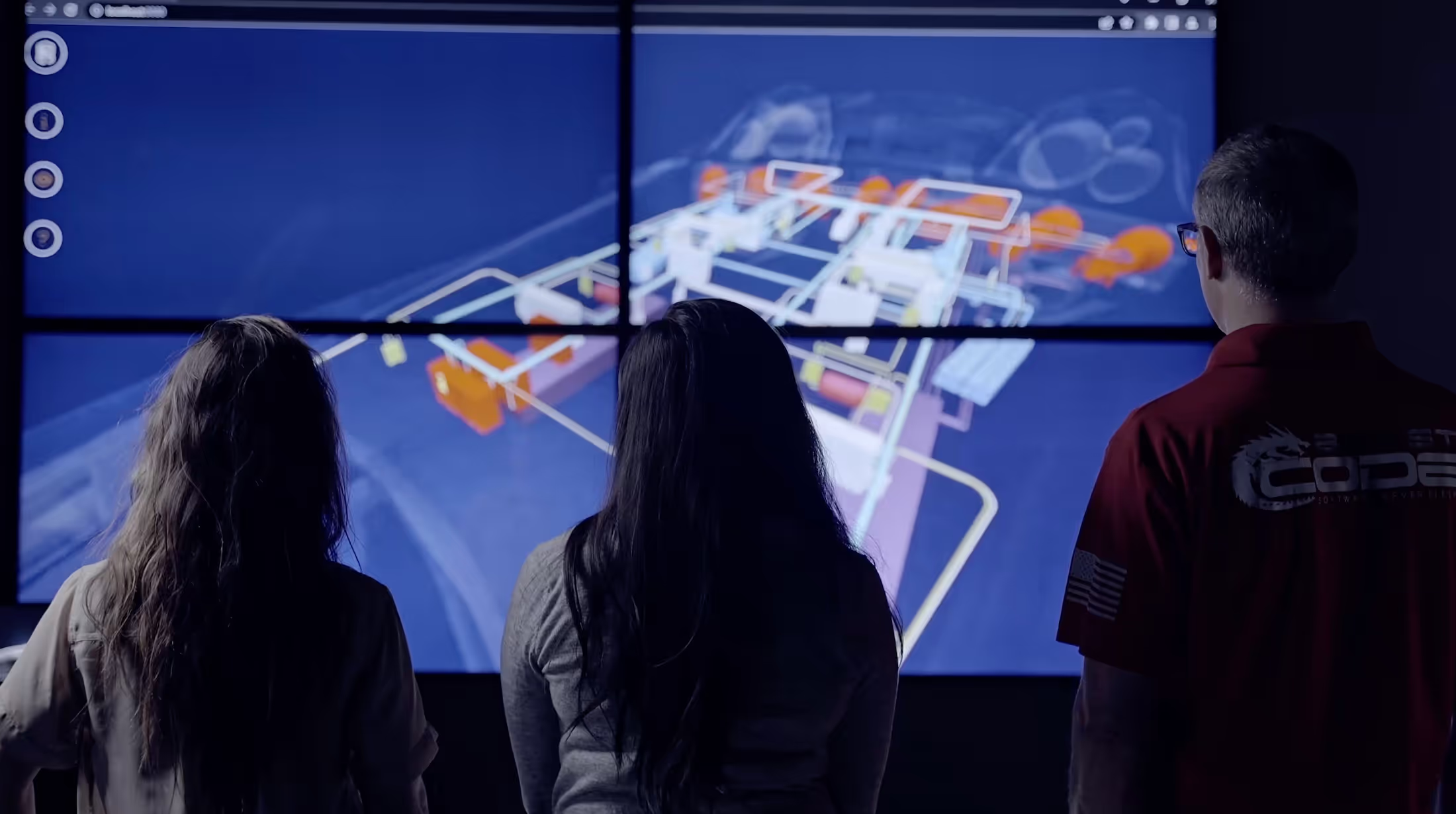
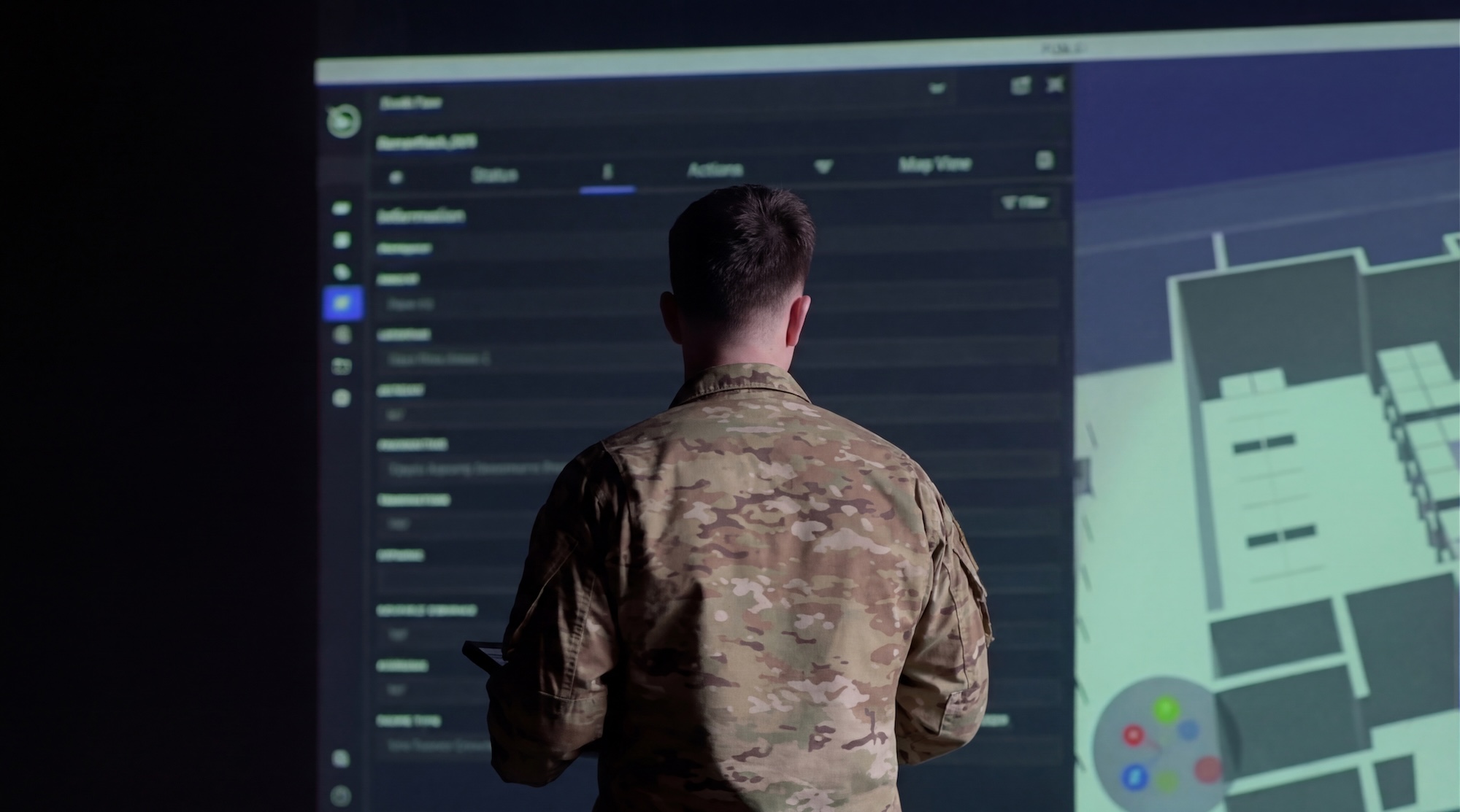
But the scan was never the destination. Reality capture creates the digital foundation, but the real opportunity comes when those environments are connected with technical documents, engineering data, and operational knowledge inside Beast Core, transforming a static scan into information people can explore, search, and learn from for years to come. A ship this size doesn't get a second chance at capture.
Projects like the SS United States remind us that preserving history isn't only about protecting the physical asset, it's about preserving the knowledge that surrounds it.
Thank you for following this journey with us!
Recent Articles