Introducing Learning in Beast Core

In this article, we discuss Beast Core Learning, walk through its core capabilities, and show how it can support courseware development, procedures, and interactive design reviews.

Introducing Beast Core Learning
At Beast Code, we build software for organizations who rely on complex systems and critical infrastructure. Across defense and other mission-driven environments, teams are asked to work with digital artifacts that live in many different formats and systems. Accessing these artifacts requires specialized software, paid licenses, and supporting infrastructure that are not typically available to the people who need to access this information.
That is one of the key problems Beast Core was built to solve.
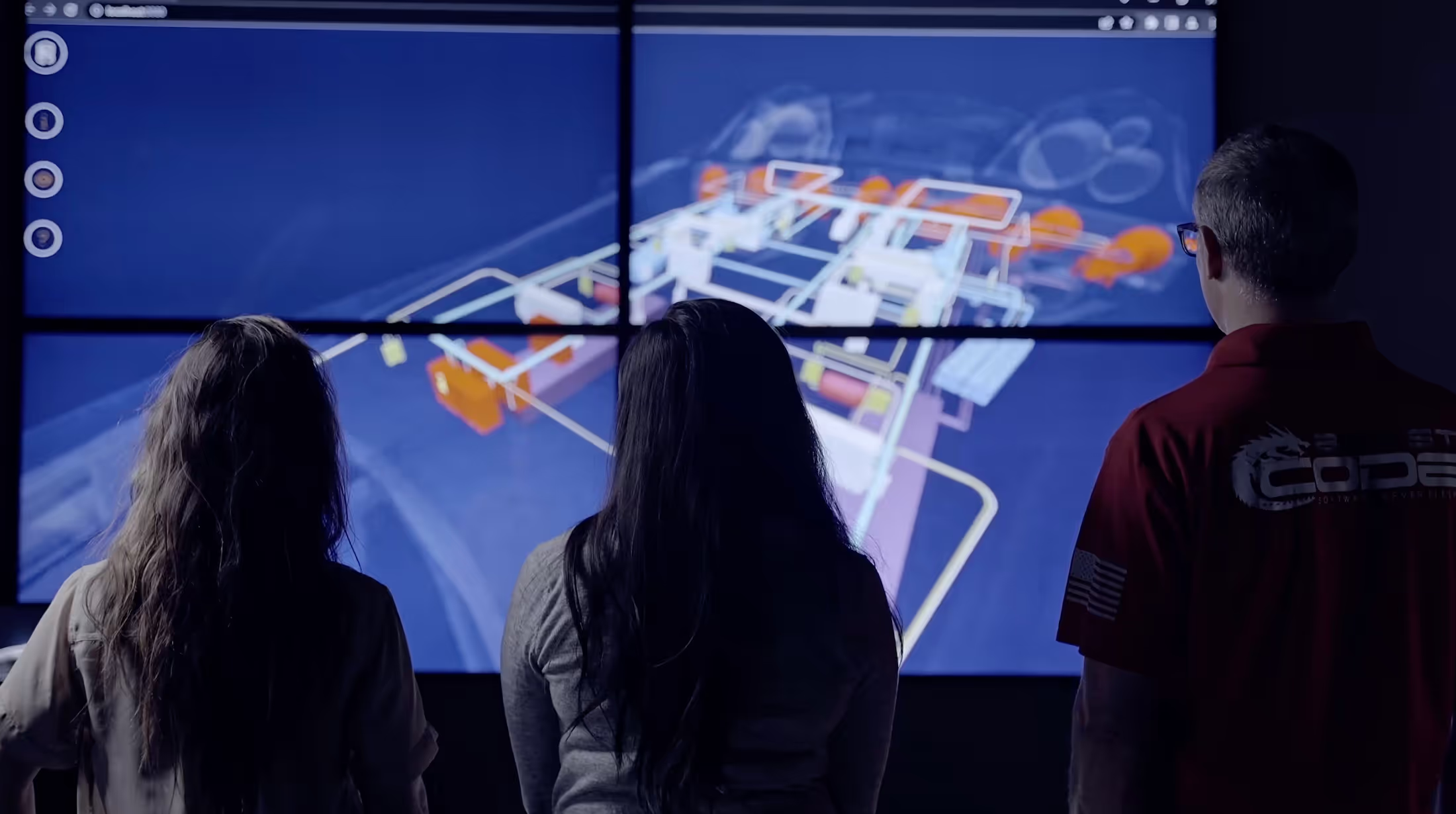
Beast Core converts complex digital artifacts into a common, lightweight format so users can access 3D models, documents, metadata, and other authoritative information through a single interface. Instead of forcing teams to hunt through disconnected tools, Beast Core gives them a shared foundation for understanding complex systems.
Now we are extending that foundation with a new capability called Learning.
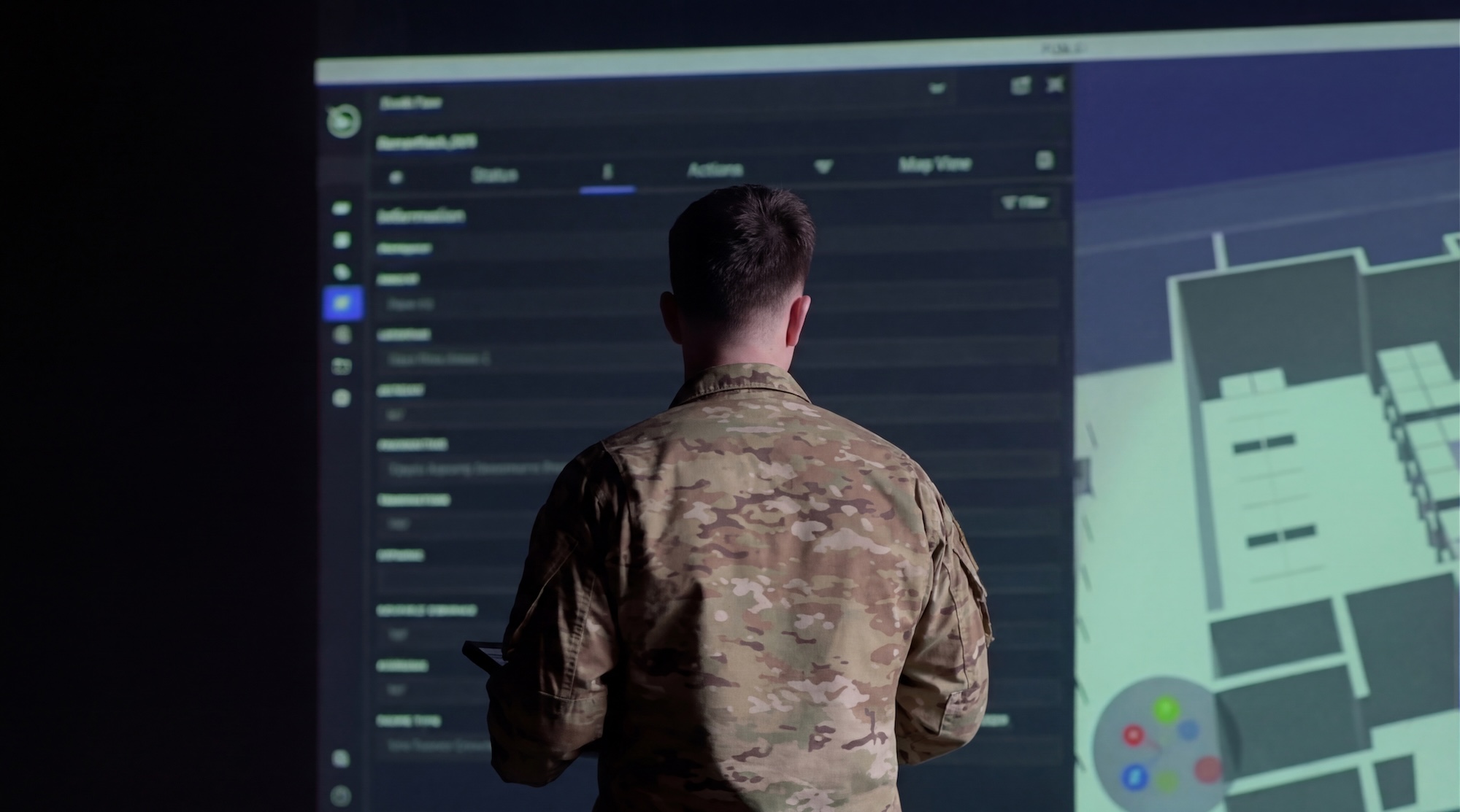
Learning allows teams to create interactive walkthroughs and objective-based training using the same underlying data already used across design, construction, operations, and sustainment. Rather than recreating a separate set of 3D models and information for training use cases, Learning makes it possible to build on top of the authoritative artifacts organizations already paid for and maintain.
Learning Features
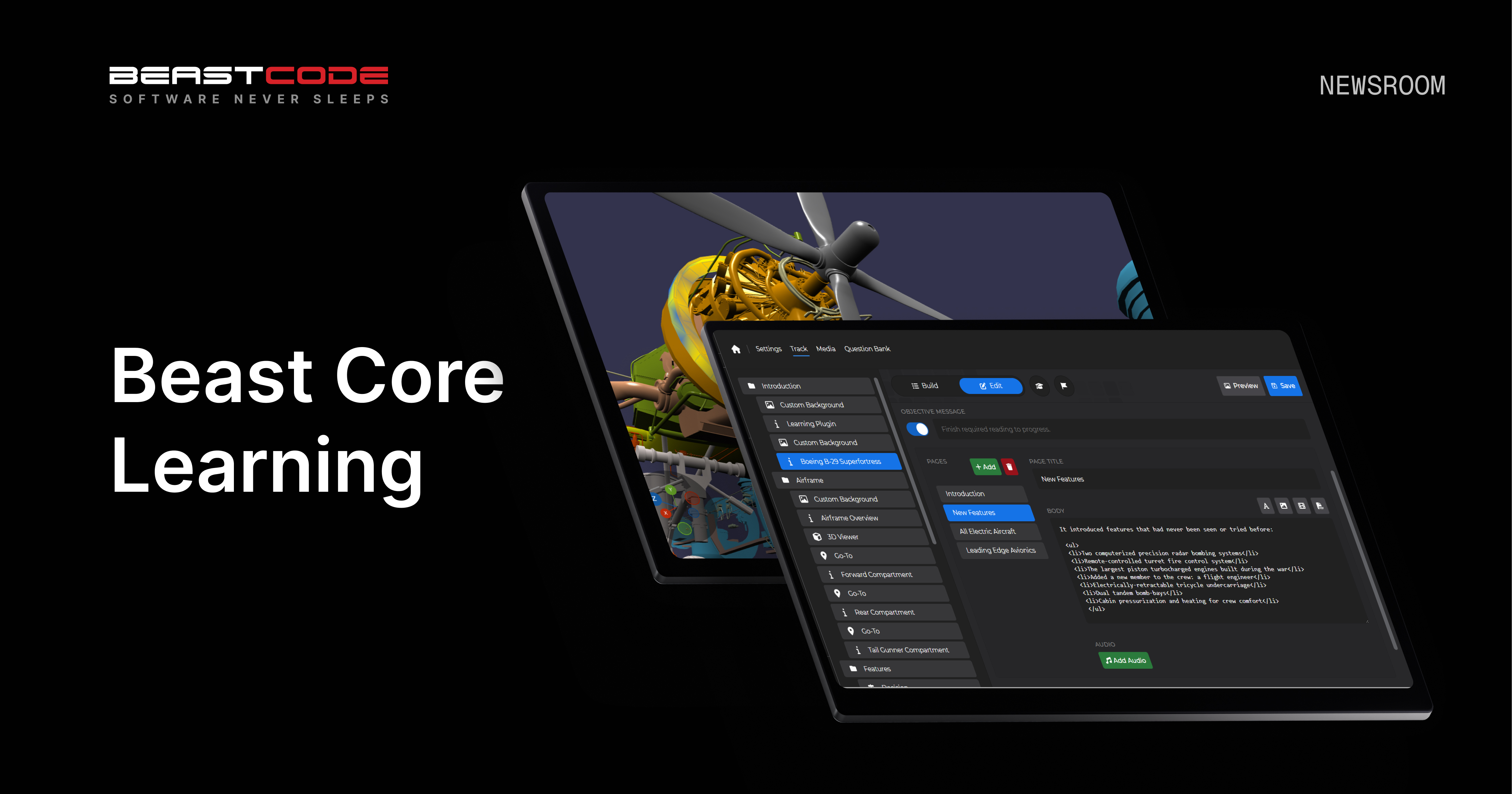
Learning provides teams with tools to build interactive courses and walkthroughs inside Beast Core.
Out of the box, users can:
- Organize content using a series of modular cards
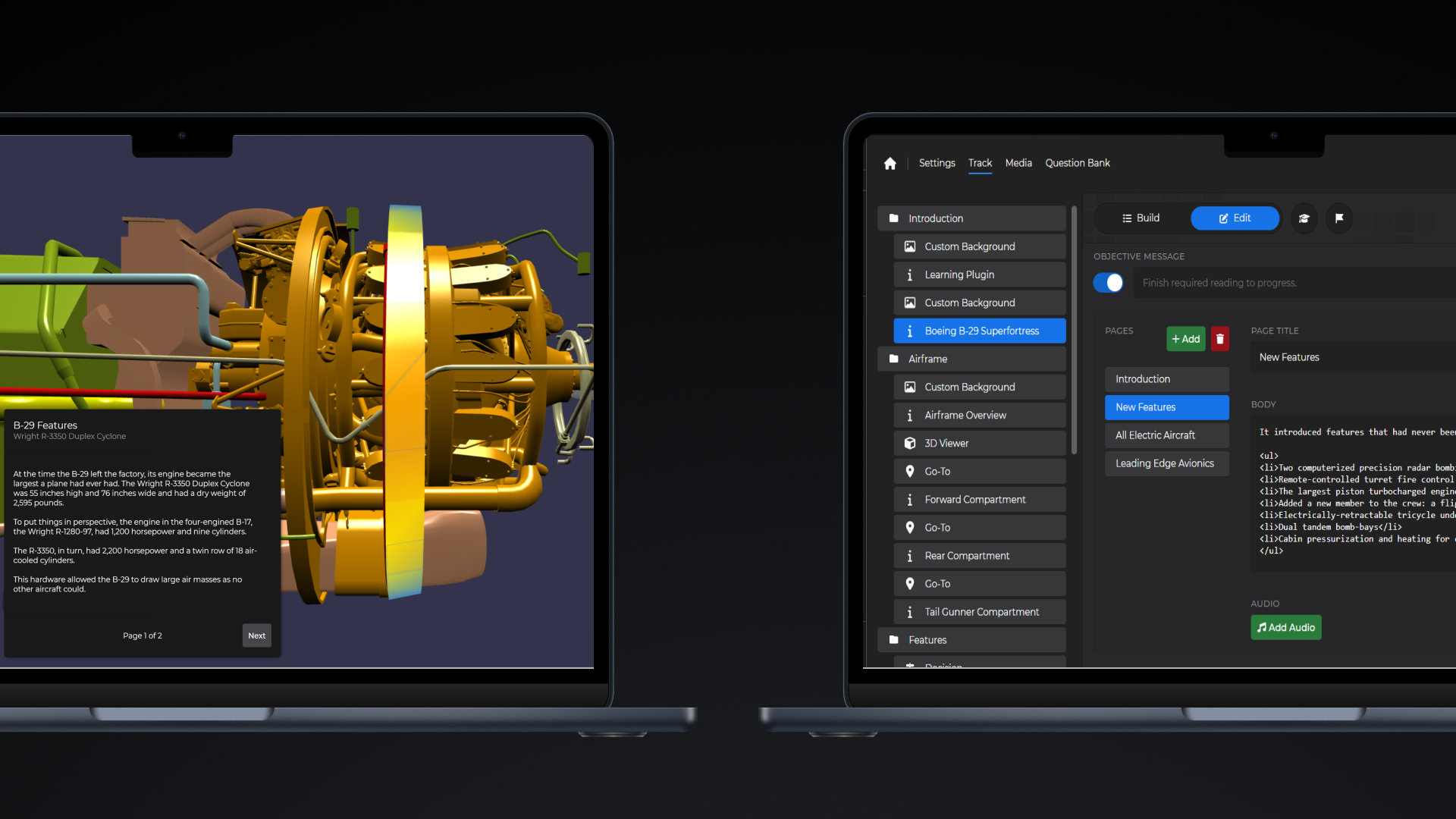
- Connect instructional content to 3D models
- Build logic-driven experiences using flags and branching
- Manage a library of supporting media such as images, documents, video, and audio
- Maintain a glossary of terms used throughout lessons
- Create assessments using a question bank with multiple question types
- Support remediation based on quiz responses
- Integrate with Learning Management Systems (LMS)
- Import courses built with legacy courseware tooling
Learning Use Cases
Courseware Development
When a new system is developed, the design process already produces a ton of digital artifacts, including 3D models and technical content. Typically, separate 3D environments are later rebuilt to create interactive training. This duplication takes time, increases cost, and adds long-term maintenance overhead.
Learning offers a different path.
Using Beast Core, the same artifacts used in design and construction can provide the foundation for interactive training. Instructional Designers can create courses that connect learning content directly to the 3D design of the system. They can guide students through components and systems, explain concepts in context, and build objective-based courses to teach advanced topics and skills.
Just as important, Learning helps solve the long-term maintenance problem that affects many courseware products. In traditional tools, updating a course means rebuilding large portions of the experience. This process is just as long as building a new course from scratch. With Learning, updates can be made at a micro level, allowing teams to quickly revise specific content and immediately publish changes.
Learning also integrates with Learning Management Systems (LMS), allowing organizations to track student progress, completions, and qualifications.
The result is a more sustainable way to create and maintain technical training using authoritative source data rather than disconnected replicas.
Checklists and Procedures
Most operational and maintenance procedures exist as documents. They provide a sequence of steps, but leave room for interpretation, especially for less experienced personnel or teams working on unfamiliar assets.
A preflight checklist is a simple example. The procedure describes what to inspect prior to takeoff.
With Learning, these procedures can be linked directly to a 3D model inside Beast Core. Each step can be paired with visual context that shows users where an action occurs. When issues are identified, users have access to all the authoritative information they need to resolve the problem. This removes uncertainty, especially when precision matters.
This use case becomes even more important as organizations field increasingly advanced and autonomous systems. Future maintainers may be responsible for assets they're encountering for the first time. Learning provides a way to familiarize users with procedures ahead of time and guide them step-by-step while executing maintenance in real-time (like watching a YouTube video - but cooler!).
Design Reviews and Presentations
Today, design reviews are still conducted through slide decks filled with static images, callouts, and notes. While the format is familiar, it limits how stakeholders engage with the design and the information becomes quickly outdated.
Learning creates an interactive alternative.
Stakeholders can be guided through a design review using the latest revisions of 3D models, linked to engineering documents and notes. At any point in the walkthrough, reviewers can break out and interact with the design in real-time. Even cooler, we're adding the capability to tag comments on models and documents to capture conversations and decisions!
As a program moves from design into construction, the same walkthroughs can evolve to include images, videos, and reality capture illustrating real-world progress alongside the digital baseline. This concept goes beyond design reviews and can be used to make any presentation interactive.
Why This Matters
What makes Learning different is not just the authoring experience. It is the fact that the walkthroughs are built on the same Beast Core workspace data teams are already using. The 3D models, metadata, and documents do not need to be recreated. They can be reused directly as the basis for training and guided instruction.
This means the visual and contextual experience is tied to the real data foundation instead of a disconnected copy. Learning opens the door to build better training, clearer procedures, and effectively communicate around complex systems.
Learning is scheduled to be released at the end of 2026. Interested? Contact us to schedule a demo and see how it could support your team.
Recent Articles