A Look at Our Beast Core Application Suite (BCAS) Roadmap

Here's what we're building this year to make Beast Core faster, more capable, and easier to extend across every domain we serve.
Screenshots shown are early concepts. Designs, features, and timelines are subject to change.
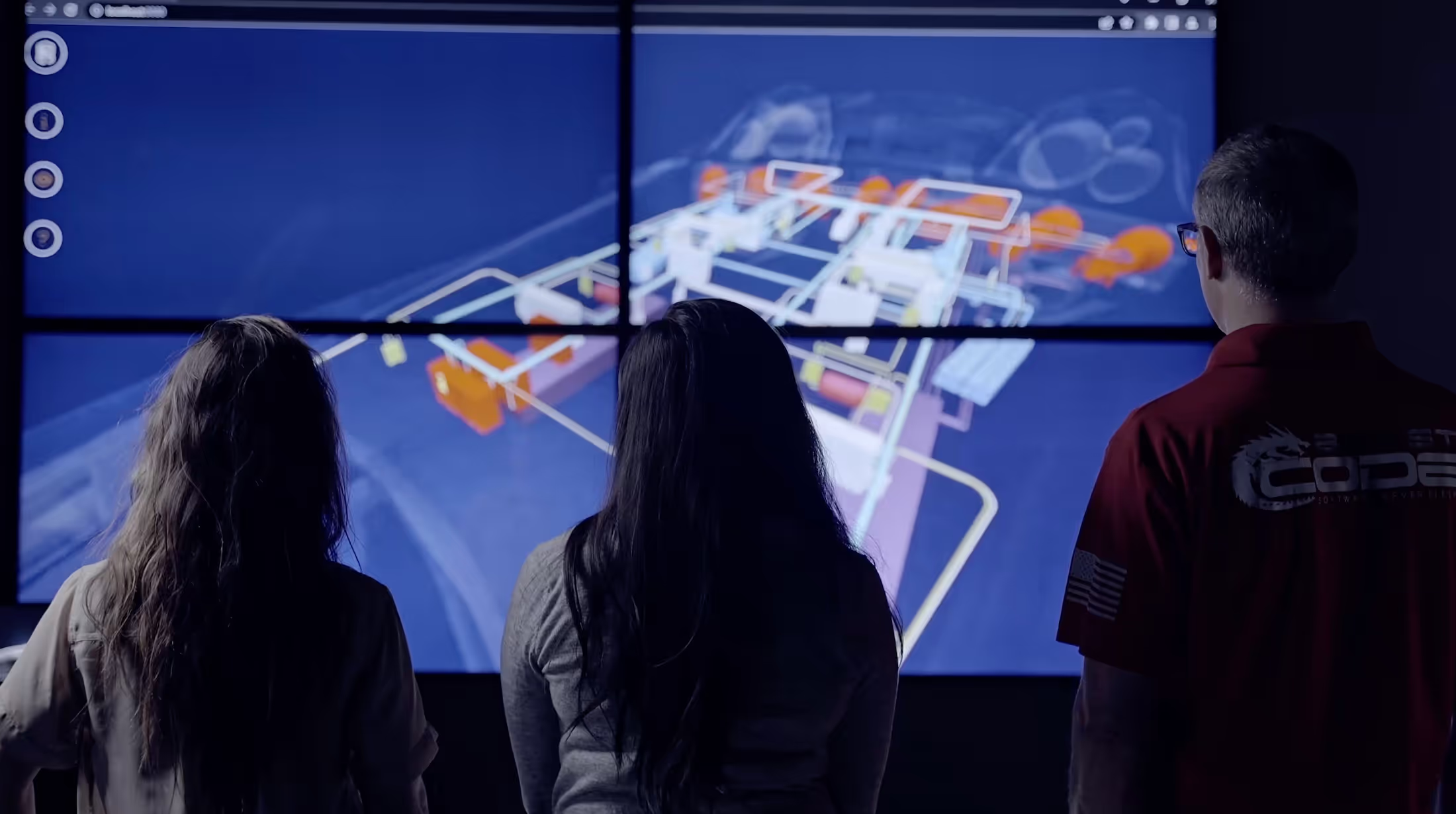
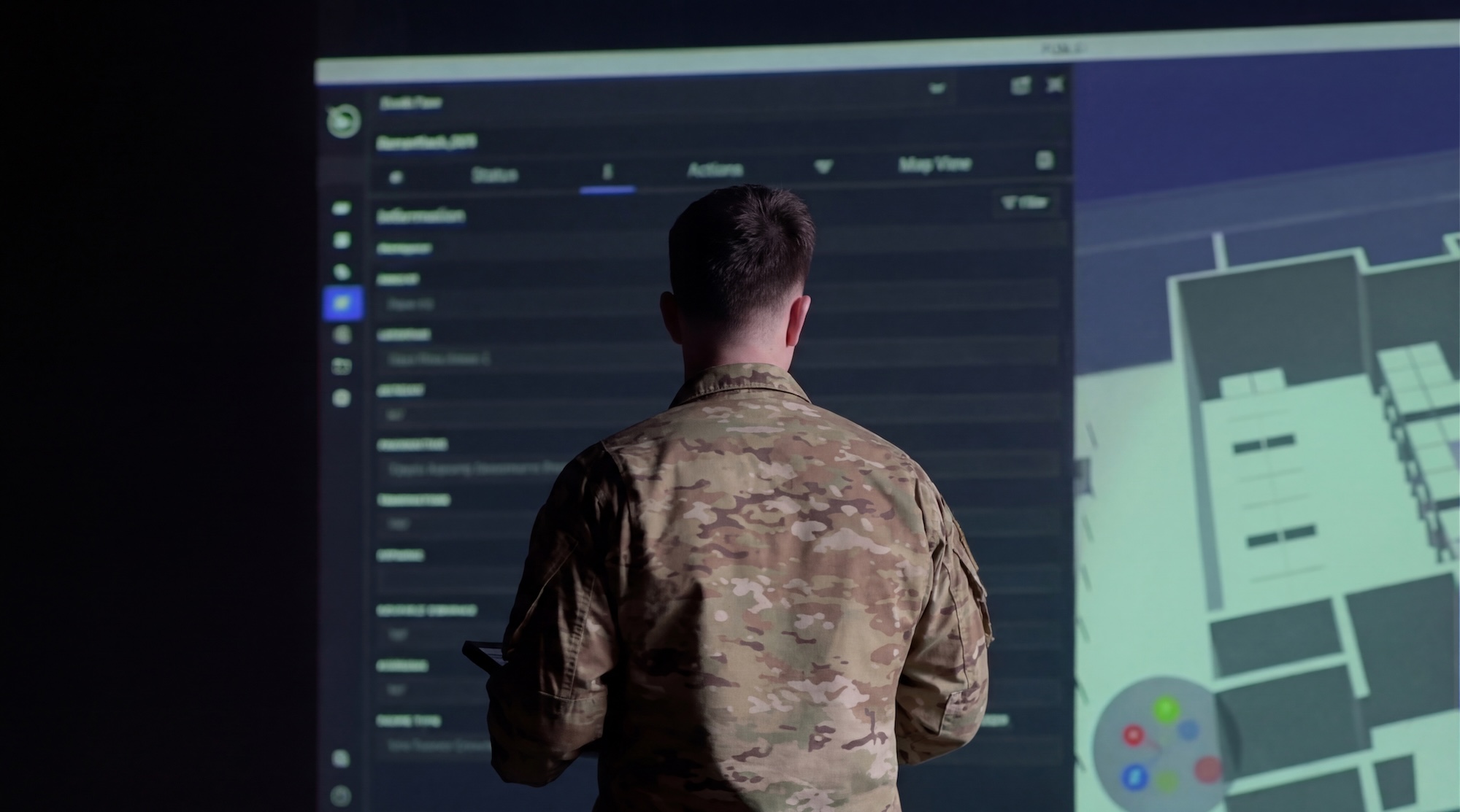
Beast Core is the platform our customers rely on to bring together 3D models, technical documentation, metadata, and real-time information in a single, lightweight viewer. It's deployed across undersea, surface, space, and aviation programs, running in environments from cloud to disconnected devices. As our customer base grows and programs become more complex, the platform needs to grow with them.
This year, our engineering team is focused on three areas: strengthening the foundation, expanding what's possible inside the platform, and making it easier for teams to build on top of Beast Core.
Here's what you can expect.
Strengthening the foundation
Every capability we ship depends on the core plugins working reliably and performing well. This year, our 3D Viewer, Document Viewer, Search, and Shell are all progressing through Technology Readiness Levels (TRLs), with a focus on security hardening and performance.
We're addressing security compliance across the suite, resolving CAT 1 and CAT 2 STIGs across every core plugin and service. This work is already in progress across our plugins (3D Viewer, Document Viewer, Search, Shell) and services (Aggregator, Workspace Service, AuthN OIDC, Platform Router). CAT 1 resolution on track for mid-year, with CAT 2 trending for Q4.
On the performance side, we're investing in faster rendering of 3D models and documents as well as quicker search results. These aren't flashy features, but they're the kind of improvements that make a real difference when a maintainer needs to pull up a technical manual or find a part number across a large dataset.
We're also overhauling the workspace conversion pipeline, a high-priority effort that directly affects how quickly a new deployment can go live.
Expanding capabilities across the platform
While we harden what exists, we're also building new capabilities that our customers have been asking for.
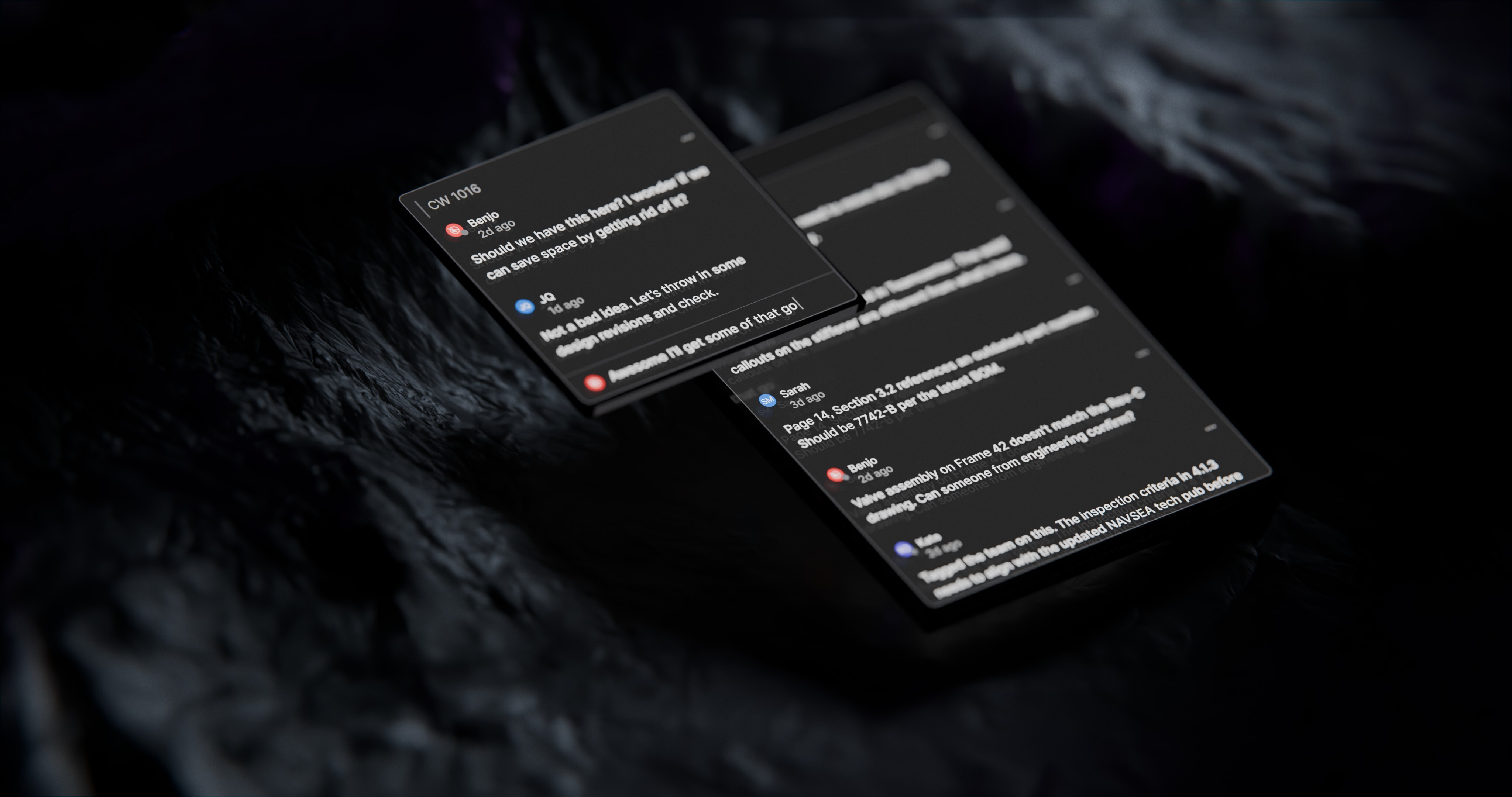
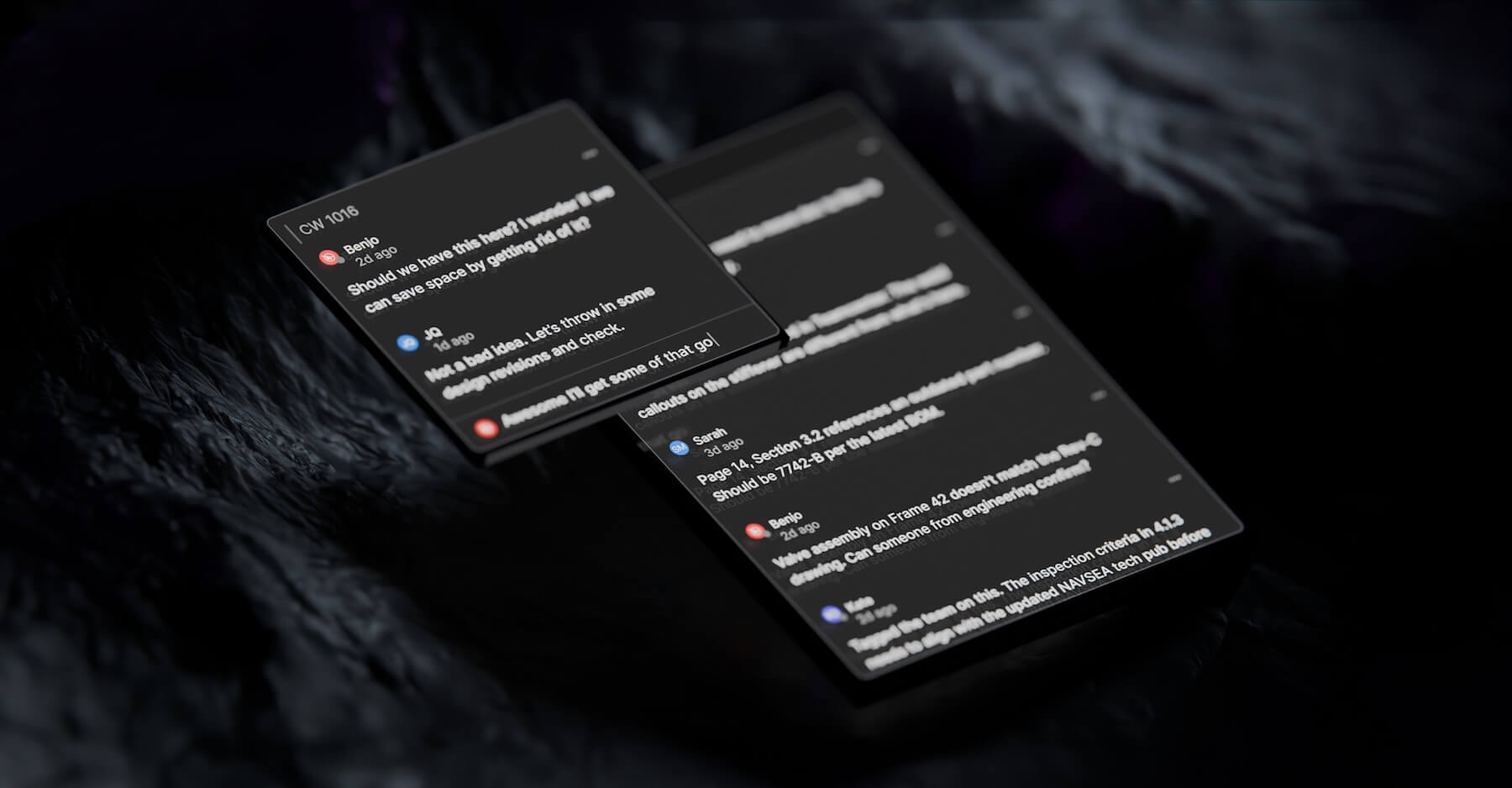
In-app comments are coming to both the 3D Viewer and Document Viewer. Users will be able to leave comments directly on a component or document, enabling collaboration inside the platform rather than through external tools.
The 3D Viewer is getting several new tools this year: clipping functionality for cutting through models, component hide and restore, Atlas flow model implementation for viewing downstream effects of equipment state changes, and directional navigation customization.
Authorization updates are in progress, with workspace access controls based on group assignment, plugin-level permissions, and continued security maturation through the rest of the year. These improvements give administrators the tools to control who sees what, at the workspace and plugin level.
.jpg)
CAMEO, our systems modeling integration, will be progressing with authorization integration, connecting SysML models to 3D visuals with permission-aware access.
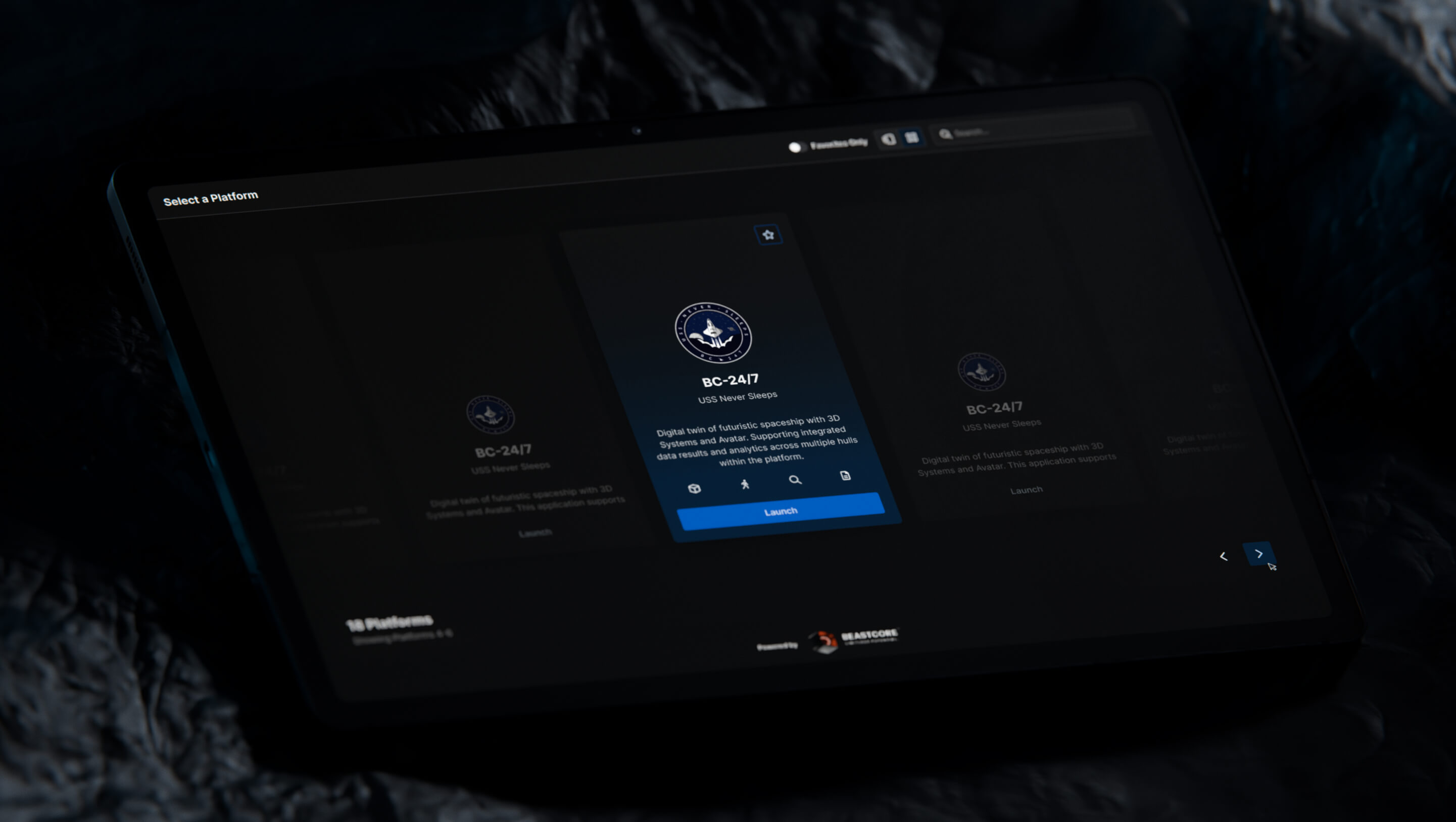
The platform selector is getting a full UX overhaul, and we're adding admin workspace configuration so administrators can customize workspace identity directly.
PLM Service is expanding with new third-party integrations and file transfer capabilities, connecting Beast Core to the enterprise PLM systems our customers already use.
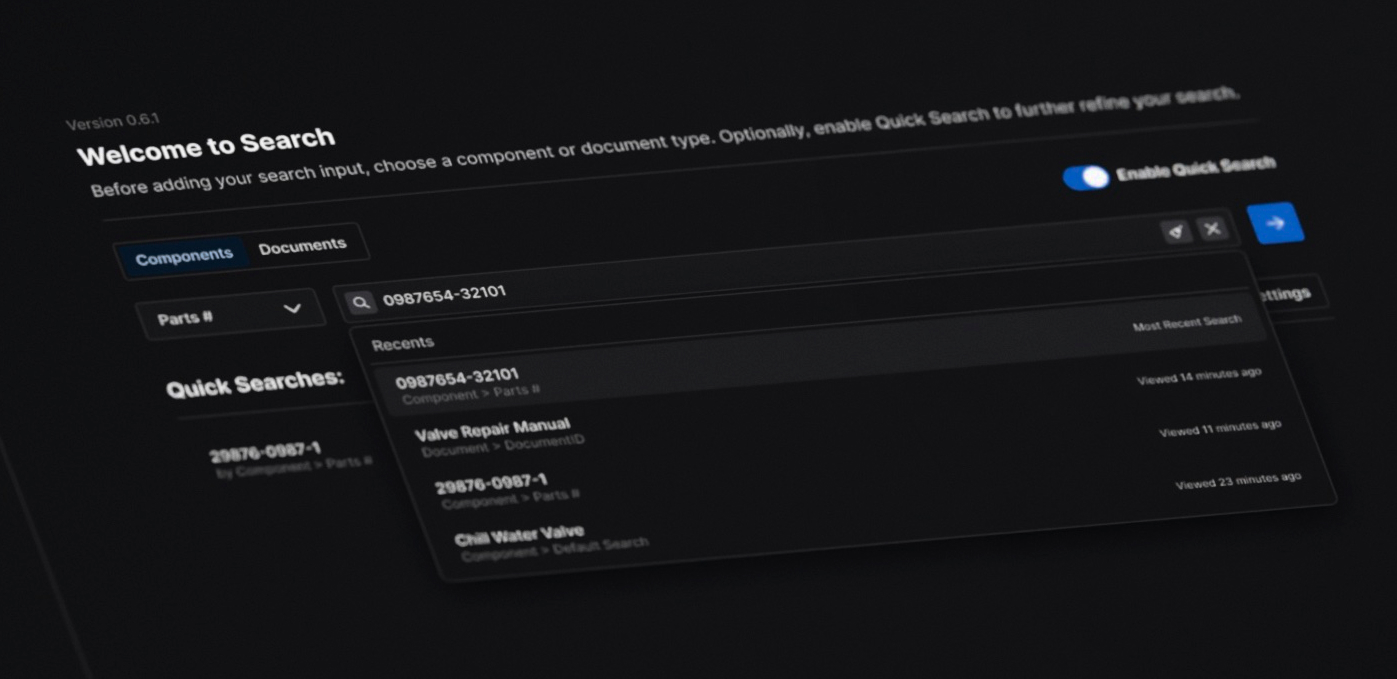
We're also designing the next generation of power user features for future implementation. An enhanced Search UX will allow users to query specific criteria on specific columns. And a Visualizer Builder will let users highlight components through a visual interface instead of building visualizers programmatically, putting more capability directly in end users' hands. These capabilities are currently in the design phase with implementation planned for 2027.
Making it easier to build on Beast Core
Beast Core's open plugin architecture is one of its strongest differentiators. Developers can build new features, workflows, and visualizations without being locked into a single vendor's ecosystem. This year, we're investing heavily in the developer experience that makes that architecture accessible and productive.
We're building a Beast Core SDK that will give developers a standardized way to create, test, and deploy plugins. The SDK is progressing through readiness levels now, with a goal of internal availability this year, external testing to follow, and broader availability after that.
On the design side, we're doubling down on our design system, Forge. We're dedicating more resources to building and maintaining the component library that every plugin draws from. The goal: new plugins that feel native from day one, with less custom work per deployment and a consistent experience across the platform.
Looking ahead
Our focus this year is a combination of hardening what's already in the field and building the next generation of capabilities. Security, performance, collaboration, developer experience, and extensibility: these are the investments that make Beast Core the platform organizations can rely on for the full lifecycle of their most complex assets.
We'll share more as these features ship.
Recent Articles