Beast Code at Warhacker: Building for the Shipyard of the Future

We just wrapped up June's "Warhacker" hackathon held by the Defense Unicorns!!

.jpg)
We just wrapped up the inaugural Defense Unicorns Warhacker hackathon, representing Project Blue. The event took place in San Diego, California, where we landed just hours before the opening social, which provided a fantastic opportunity to network with engineers and stakeholders from diverse backgrounds. We even reunited with some former Beasts, including Matt Seaman, Dante Mendez, Joel Birlingmair, and Sarah Kelly!
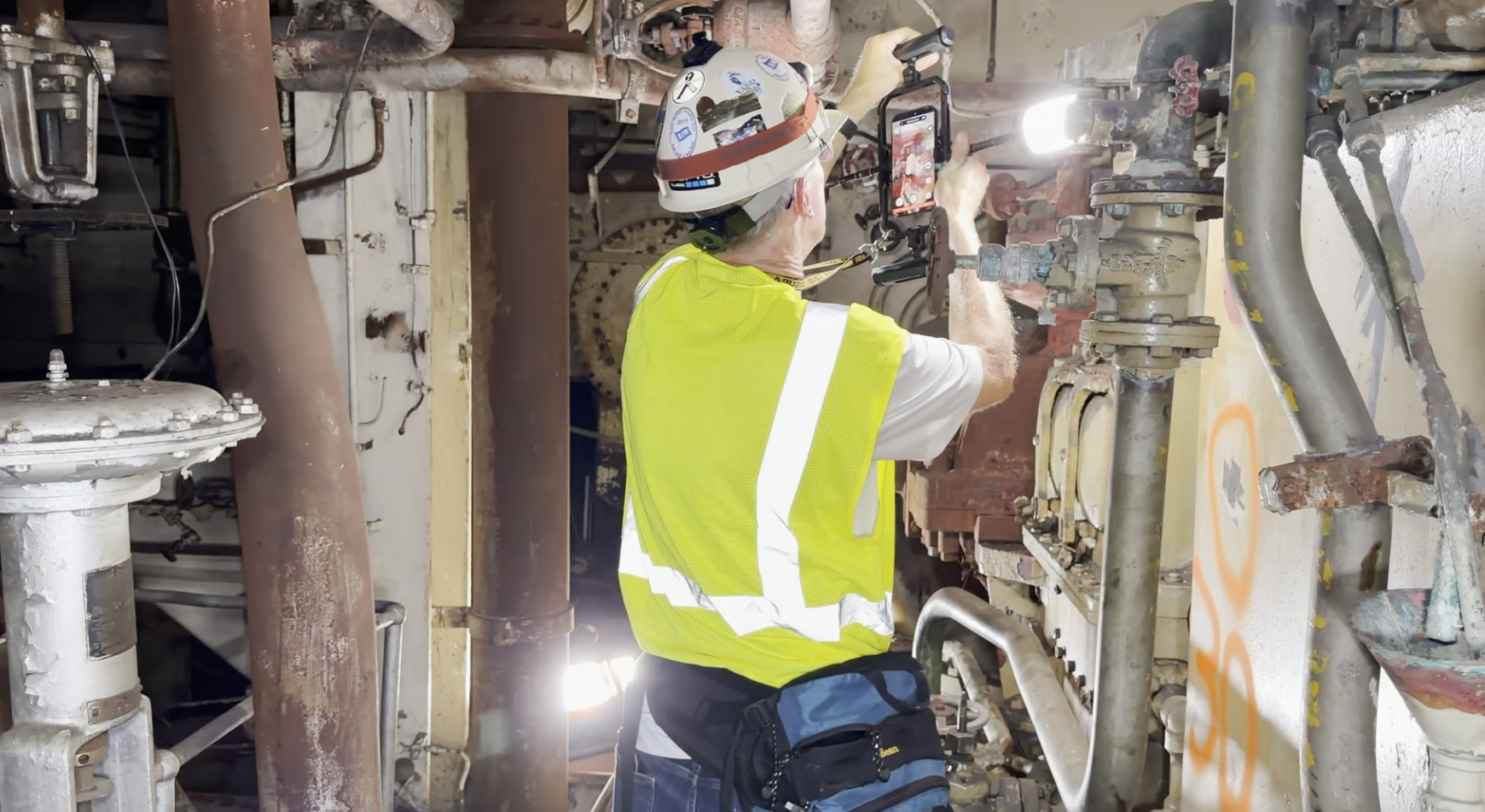
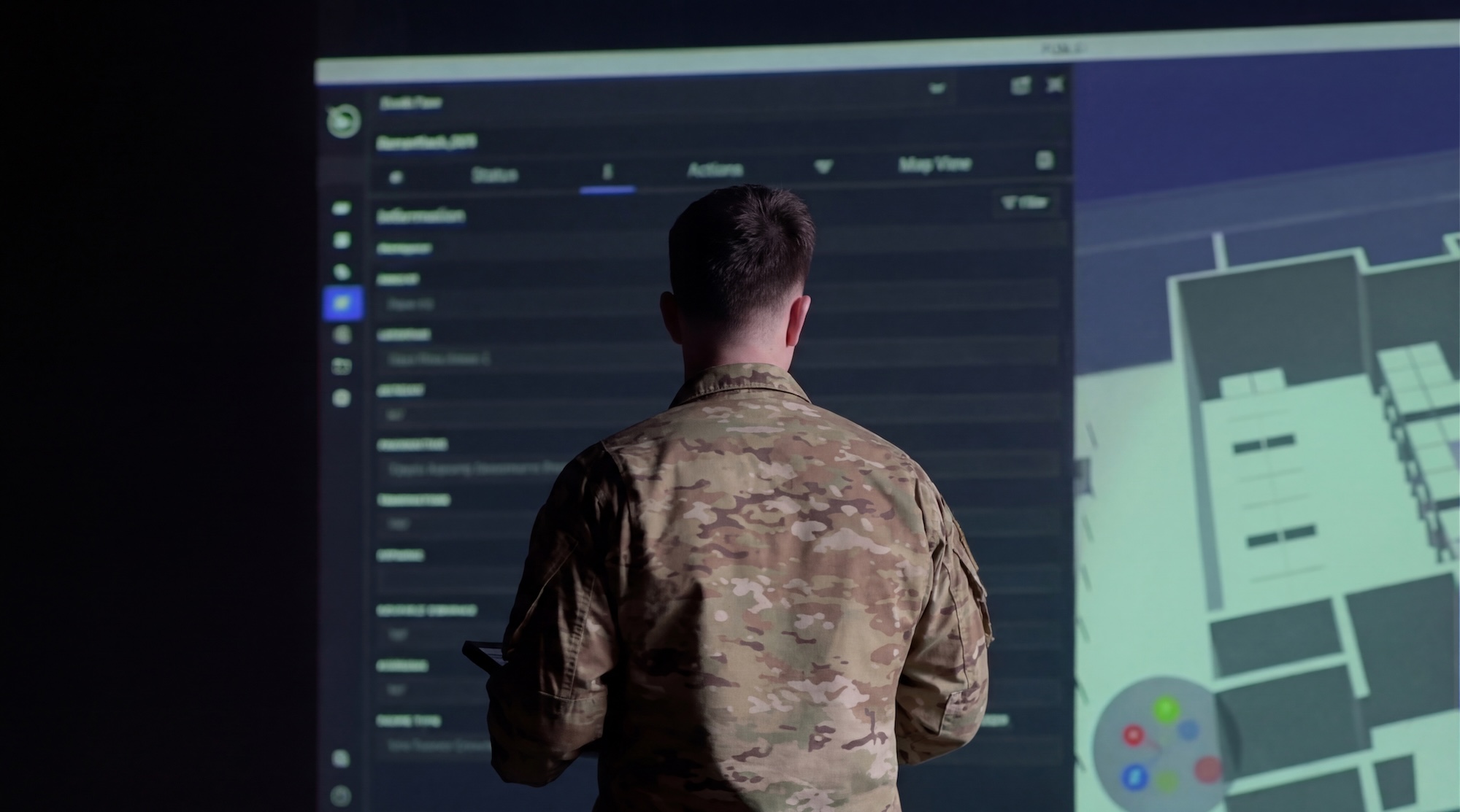
After the social, we headed back to the hotel to kick off development. Our goal was to tackle a specific problem statement: the highly inefficient process currently used by shipyards, where engineers must manually review, compare, and approve work orders. This is the quintessential use case for Beast Core, aggregating data in one place and leveraging modern tooling to enable data-driven decisions.
The initial setup wasn't without its hurdles. We immediately ran into challenges with hotel WiFi speeds, development environment configurations, and repository access. Fortunately, we came prepared, and after working through the initial setup, we called it a night.The next day, we headed to Venue 808 for the official kickoff. Several keynote speakers shared their vision and excitement for the event, and we dove straight into work. Our team dynamic was high-energy: Tyler Todd served as our impromptu team captain; Hunter Brock acted as our AI guru (and resident personality); Kevin Sanford and Joel Birlingmair worked on setting up the Defense Unicorns UDS application locally; Jeremy Stephens tackled the frontend; and I focused on prepping the project to function as a Beast Core plugin. Connectivity issues persisted, but we pivoted quickly, using mobile hotspots to stay online. While Kevin and Joel navigated some UDS setup struggles due to the spotty connection, Jeremy and Hunter made significant progress on the frontend web app, and I continued scaffolding the Beast Core plugin.
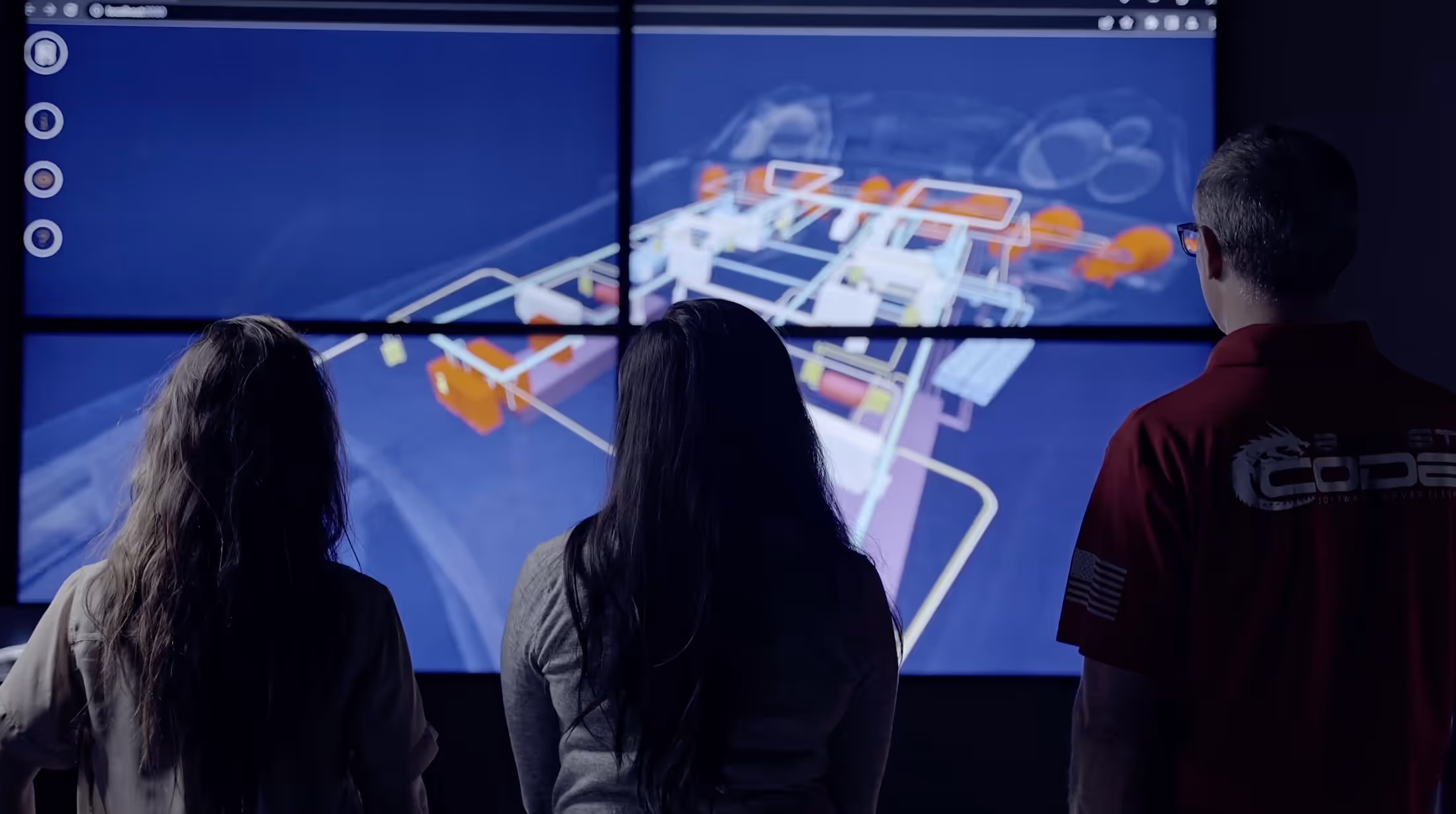
By the afternoon, we relocated to the hotel lobby for more stable internet and more space to spread out. We worked through dinner and late into the night, ultimately producing a strong prototype: an interactive table designed to manage work orders. On the second official day, we returned to Venue 808 to resume development. Amidst troubleshooting the UDS issues, we were honored with an unexpected opportunity: demoing Beast Core to two Admirals and the Department of War's CDAO. During these demos, we illustrated the immense power of a "Digital Twin" that can instantly integrate documentation, 3D models, and individual component metadata.
The real magic, however, happened back at the hotel. Some of us stayed up until 3:00 AM putting the final touches on the project...integrating generative AI into the plugin, migrating the backend from .NET to Python, and ensuring all the Beast Core components fit together seamlessly. On the final morning, we arrived at 8:30 AM running on just a few hours of sleep, but we were ready. During judging, Tyler demoed our project and explained its real-world impact. He even had the opportunity to present our problem statement and solution on stage for the entire assembly.
While we didn't take home a formal prize, we walked away incredibly proud of our solution. We look forward to continuing this work until it reaches the end-users at the shipyards because, at the end of the day, the users are the real winners.
Recent Articles